I think the simplest method for sharpening and the easiest to absorb as a learner is found in Christopher Schwarz's DVD, Handplane Basics. I have tried a couple different methods, and was blown away by the simplicity of this method. It is so easy it is almost like cheating. And as a bonus, you don't need to buy a $300 gizmo. Chris demonstrates in this DVD how to use a cheap honing guide to get really good results, either to sharpen a straight blade or to impart a slight camber. I won't repeat his lesson here. The DVD is worth the money.

Although there are teachers and methods out there that will pursue edges sharper than this, it is plenty sharp enough for 99% of all the woodworking you will encounter. Not too bad for a few minutes of instruction. Save learning that last 1% for when you really need it.
OK, enough about The Schwarz. I want to talk about my own opinions regarding equipment. I've blown a lot more money than necessary to settle on the system I now use. Here is a photo of what I am using as a sharpening station:
 | |
| My dirt-simple sharpening setup. |
There are three phases to sharpening: grinding, honing and polishing. Essentially, course, medium and fine (OK, I guess I am not completely done with CS).
There are also three major schools of thought regarding sharpening medium: sandpaper, waterstones, and oilstones. It doesn't really matter which you use, as long as you get good at it. I use waterstones, because that is what all the rage was when I started sharpening, and I haven't found anything that makes my system faster, cheaper or better.
Sandpaper might be a good way when starting, because it will seem like you spend only a few bucks for a few sheets of paper rather than a couple hundred on all of the stones you will need. This is a valid point, and if you choose it, that is fine. Over time you may find it more expensive, as you have to continue to buy sandpaper.
My recommendation is a Norton combination 1000/8000 waterstone available at Lee Valley for less than $70. While it may be true that oilstones wear slower than waterstones, this stone could very well last your entire life. This stone will take care of all of your honing and polishing. The only other thing you need is something for grinding, and a method to keep your stone truly flat. Sandpaper and a flat tile is a good option for both of these, or if you don't want to mess with sandpaper, use a diamond plate. I've gotten by for years with a course/extra course DuoSharp plate. It is about a hundred bucks.
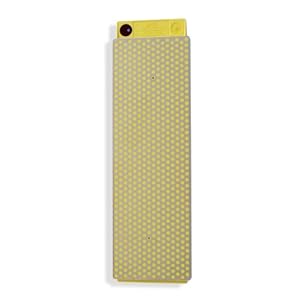
With those two purchases, you will be able to keep your stone flat, do simple grinding, shape, sharpen and polish all of your planes, chisels, and knives (except hollows and gouges). Probably forever.
Not bad for a couple hundred bucks. Also, don't get too bent out of shape about the brands and the latest fads. They all work, more or less. If you aren't getting sharp enough, it probably isn't because you didn't spend more money on your stones, it probably is your technique. Watch the DVD again.
One thing I would recommend: get the largest stones you can afford. I got by for years with a King stone that was 8" x 2". But there was a huge difference when I got the Norton, which is almost an inch wider. No point skimping now if you'll just have to upgrade later.
Get out there and sharpen! You'll need this skill when you acquire my next recommendation: a jack plane.


